Eyeglass Lens Coatings Explained: Anti-Reflective, Scratch-Resistant, and UV Protection
Categories: Posts Date: 27/06/2026 Author: AdminWhy Lens Coatings Matter More Than You Think
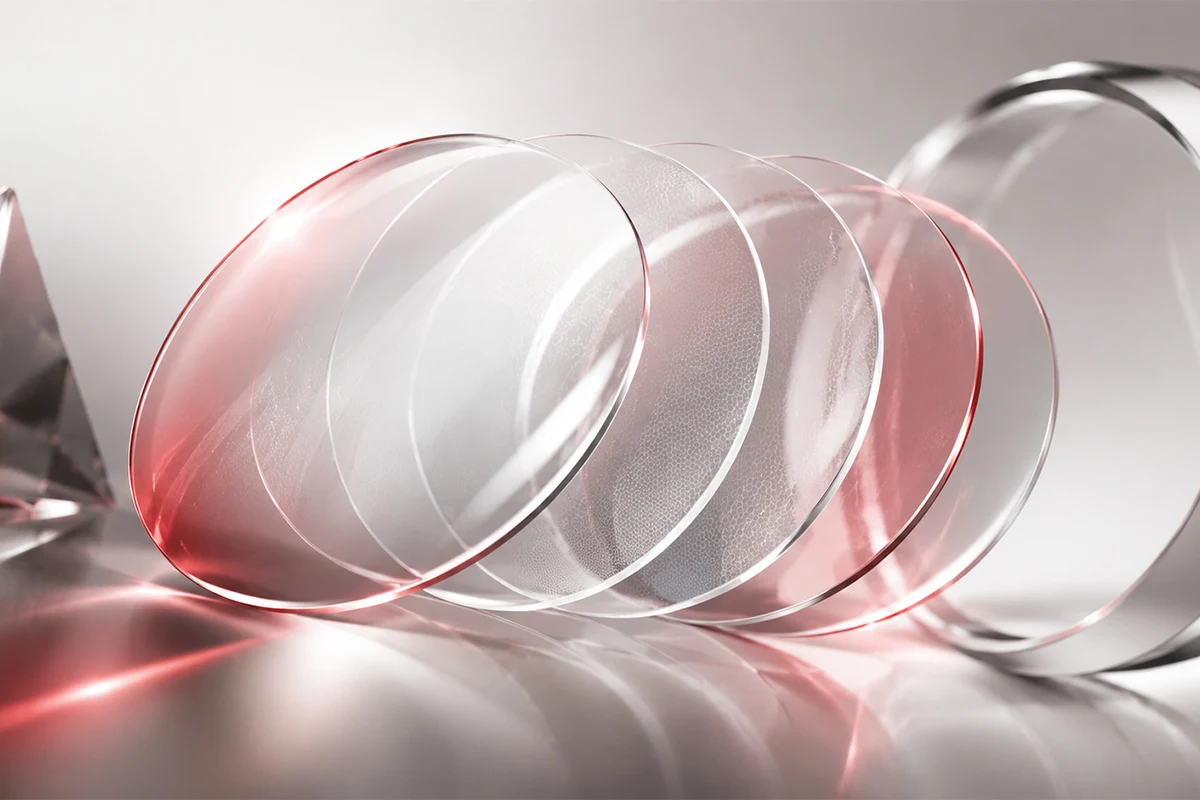
When purchasing eyeglasses, most people focus on the frame style or lens prescription. However, to understand everything about eyeglass lenses, it's important not to overlook one of the most significant factors affecting lens performance: lens coatings. Modern eyeglass lenses are much more than pieces of optical material. Advanced coatings can improve visual clarity, increase durability, reduce glare, and provide protection against environmental factors. In fact, two lenses made from the same material can deliver completely different experiences depending on the coatings applied to their surfaces. In this guide, we'll explain what lens coatings are used for, compare the most common coating technologies, and help you understand which coating options may be best for your eyeglasses.What Is Lens Coating Used For?
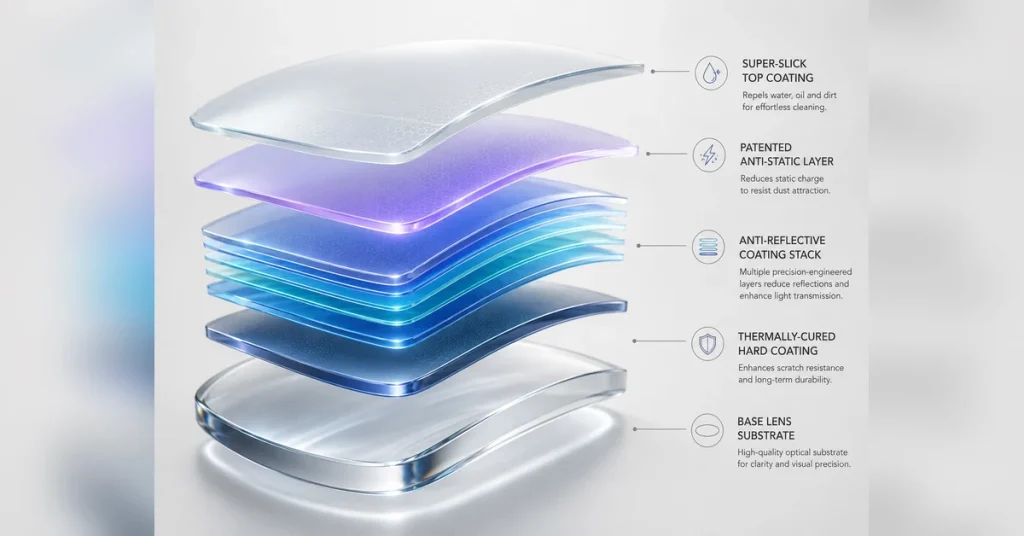
A lens coating is a thin layer applied to the surface of an eyeglass lens to improve its performance. Different coatings are designed to solve different problems, such as:- Reducing reflections
- Improving visual comfort
- Increasing scratch resistance
- Blocking harmful UV radiation
- Enhancing lens durability
- Simplifying cleaning and maintenance
Anti-Reflective Coating: One of the Most Important Lens Upgrades
Among all lens coating technologies, anti-reflective coating is often considered the most valuable. Also known as AR coating, anti-reflective coating reduces reflections that occur on the front and back surfaces of lenses. These reflections can interfere with vision and reduce lens transparency.Benefits of Anti-Reflective Coating
- Reduced glare
- Improved visual clarity
- Better night-driving comfort
- Enhanced contrast
- More natural lens appearance
AR Coating vs No Coating
Many consumers wonder whether anti-reflective coating is truly worth the investment. Let's compare.Lenses Without AR Coating
- More visible reflections
- Increased glare
- Reduced transparency
- Potential discomfort during night driving
Lenses With AR Coating
- Cleaner appearance
- Improved visual comfort
- Better light transmission
- Reduced distracting reflections

Why Anti-Reflective Coating Is Ideal for Digital Lifestyles
Modern lifestyles involve extensive use of:- Computers
- Smartphones
- Tablets
- LED lighting
Scratch-Resistant Coating: Protecting Your Investment
While modern lens materials are lighter and more comfortable than ever before, many materials are naturally softer than glass. As a result, lens surfaces may be susceptible to scratches from everyday use. Scratch-resistant coatings help improve surface durability and extend the lifespan of eyeglass lenses.Benefits of Scratch-Resistant Coatings
- Greater resistance to minor scratches
- Improved durability
- Longer-lasting lens appearance
- Better protection during daily use

Who Benefits Most from Scratch-Resistant Lenses?
Scratch-resistant coatings are beneficial for nearly everyone, but they are particularly valuable for:- Children
- Active adults
- Outdoor workers
- Frequent travelers Because eyeglasses are used every day, maintaining lens quality is important for both visual performance and appearance.
UV Coating Lenses: Protecting Your Eyes from Ultraviolet Radiation
Many people understand the importance of sunscreen for skin protection but may not realize that ultraviolet (UV) radiation can also affect eye health. UV coating lenses help reduce exposure to harmful UV rays.Benefits of UV Coatings
- Enhanced eye protection
- Improved outdoor comfort
- Support for long-term eye health
- Additional protection in sunny environments
Why UV Protection Is Important Year-Round
A common misconception is that UV exposure only occurs during summer. In reality, ultraviolet radiation is present throughout the year, even on cloudy days. UV protection is particularly important for:- Drivers
- Outdoor enthusiasts
- Athletes
- Individuals living in sunny climates Adding UV protection to everyday eyewear can provide an additional layer of visual wellness.
Additional Premium Lens Coatings
Modern premium lenses often combine several coating technologies into a single package. These may include:Hydrophobic Coatings
Help repel water from the lens surface.Oleophobic Coatings
Reduce fingerprints and smudges.Dust-Repellent Coatings
Help keep lenses cleaner for longer periods.Easy-Clean Surfaces
Simplify daily maintenance and cleaning. These enhancements contribute to a more convenient wearing experience.
What Is the Best Coating for Eyeglass Lenses?
The answer depends on your lifestyle and priorities.For Everyday Wear
A combination of anti-reflective and scratch-resistant coatings is often recommended.For Computer Users
Anti-reflective coatings can improve visual comfort during prolonged screen use.For Outdoor Activities
UV protection becomes especially important.For Maximum Performance
Many premium lenses combine multiple coatings to deliver comprehensive protection and comfort. In most cases, the best results come from combining several coating technologies rather than relying on a single feature.How Modern Coating Technologies Are Applied
Advanced lens coatings require highly controlled manufacturing processes. Modern optical laboratories use sophisticated vacuum deposition and surface-treatment technologies to apply coating layers with exceptional precision. These processes ensure:- Uniform coating thickness
- Long-term durability
- Consistent optical performance
- Reliable product quality The quality of both the coating technology and the manufacturing process plays a significant role in the final performance of the lens.

Schneider Lens Coating Technology
At Schneider, we recognize that lens performance depends on more than lens design alone. Advanced coating technologies are essential for delivering premium visual experiences. Our lens manufacturing expertise supports the development of high-quality lens solutions that combine optical precision with modern coating technologies.Why Lens Coatings Matter
- Improved visual comfort
- Reduced reflections
- Enhanced durability
- Better outdoor protection
- Superior everyday performance

Final Thoughts
Lens coatings are among the most important yet often overlooked aspects of eyeglass performance. Whether you're considering anti-reflective coating, scratch-resistant protection, UV coating lenses, or a combination of advanced surface technologies, the right coatings can dramatically improve your visual experience. From clearer vision and reduced glare to greater durability and UV protection, lens coatings help transform ordinary eyeglasses into high-performance visual solutions. When selecting your next pair of glasses, remember that the coating may be just as important as the lens itself—a philosophy embraced by Smart Vision, where advanced lens technologies are designed to deliver greater comfort, clarity, and long-lasting performance.