How Are Eyeglass Lenses Made? Inside Modern Optical Lens Manufacturing
Categories: Posts Date: 25/05/2026 Author: AdminUnderstanding How Prescription Lenses Are Made
Modern eyeglass lenses may look simple, but behind every lens is a highly advanced manufacturing process involving precision engineering, digital technology, and optical science.Today’s prescription lenses are designed to deliver accurate vision correction, improved comfort, and better visual performance for millions of people worldwide. From single vision lenses to sophisticated freeform designs, modern optical lens production has evolved dramatically over the past decades.
In this guide, we will explore how prescription lenses are made step by step, examine the lens manufacturing process, and take a closer look inside modern optical lens factories. For a deeper understanding of lens types and how they work, you can read our eyeglass lenses explained guide.
What Is Optical Lens Manufacturing?
Optical lens manufacturing is the process of transforming raw lens materials into finished prescription lenses that correct vision problems such as:- Myopia (nearsightedness)
- Hyperopia (farsightedness)
- Astigmatism
- Presbyopia
- Computer-controlled surfacing
- Precision polishing
- Digital calculations
- Advanced coating technologies
- Strict quality control
Step 1: Lens Design and Prescription Calculation
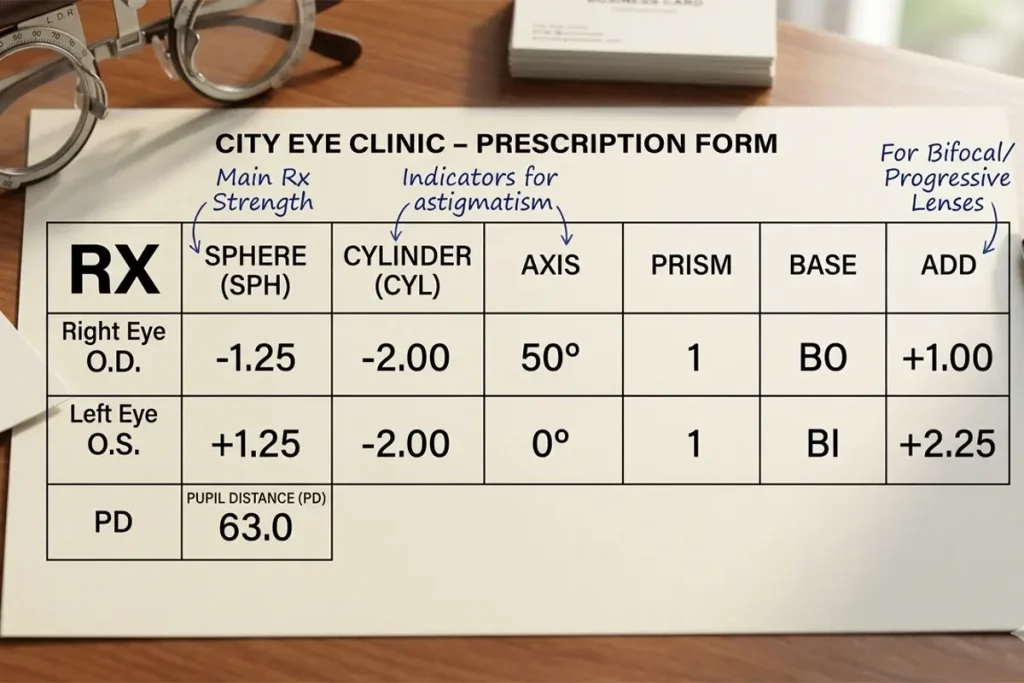
Every prescription lens begins with optical calculations. The manufacturing laboratory receives prescription data from an eye care professional, including:- Sphere power
- Cylinder correction
- Axis
- Pupillary distance
- Addition power for progressive or bifocal lenses
- Prism
 For advanced freeform lenses, additional personalization measurements may also be included.
Modern software systems use these parameters to calculate the exact lens geometry required for optimal vision performance.
For advanced freeform lenses, additional personalization measurements may also be included.
Modern software systems use these parameters to calculate the exact lens geometry required for optimal vision performance.
Step 2: Selecting the Lens Material
After the lens design is finalized, the laboratory selects the appropriate lens material. Common materials include:- CR-39 plastic
- Polycarbonate
- High-index plastics
- Optical glass
- Prescription strength
- Lens thickness requirements
- Weight preference
- Impact resistance
- Cosmetic appearance
Step 3: Generating the Lens Surface
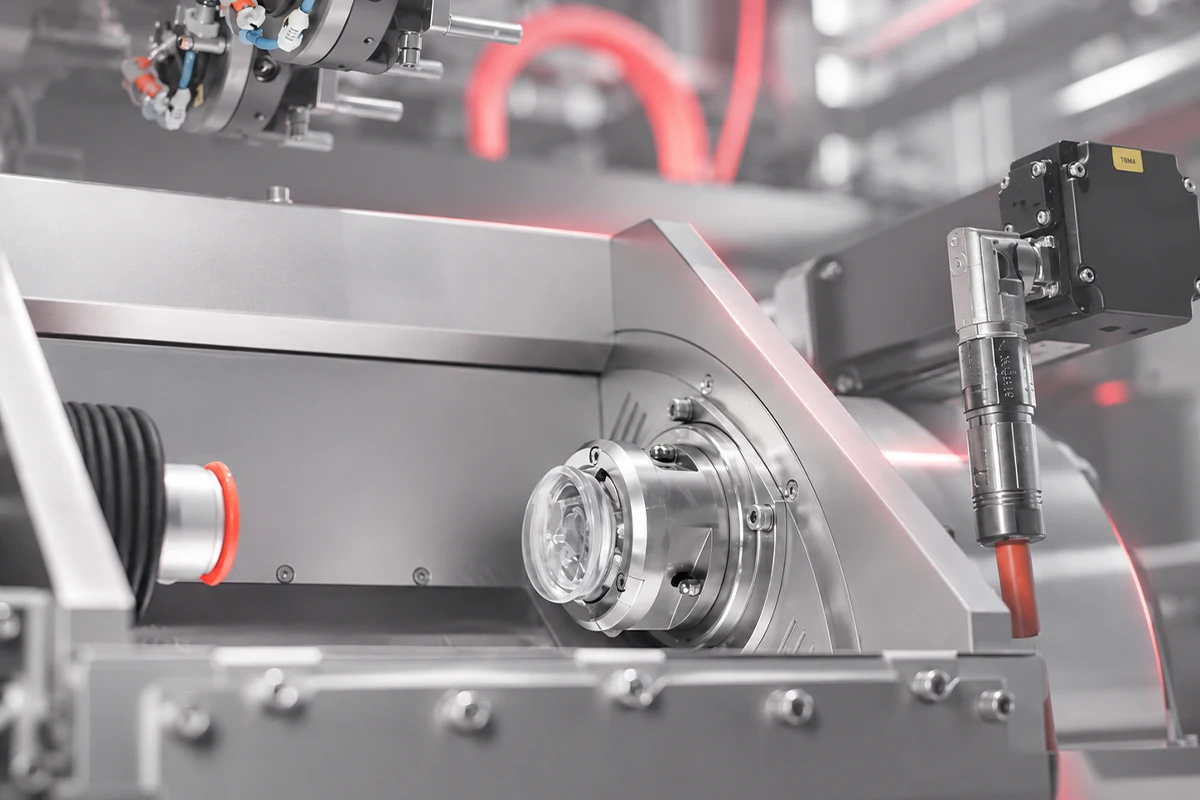
One of the most critical stages in optical lens production is generating the lens surface. In modern laboratories, computer-controlled surfacing machines shape the back surface of the lens blank according to the digital prescription calculations. This process removes microscopic amounts of material with extremely high precision. For freeform lenses, advanced CNC technology can create highly customized lens surfaces optimized for individual wearer needs.
Step 4: Fine Polishing the Lenses
After surfacing, the lenses go through a polishing stage. Polishing smooths the lens surface and improves optical clarity by removing microscopic imperfections created during the generating process. Modern polishing systems are carefully calibrated to maintain precise optical accuracy while producing exceptionally smooth surfaces. This stage is extremely important because even tiny surface irregularities can affect vision quality.Step 5: Applying Lens Coatings
Most modern prescription lenses receive specialized coatings that improve performance and durability. Common coatings include: • Anti-reflective coatings • Scratch-resistant coatings • UV protection • Blue light filtering technology • Hydrophobic coatings For a detailed breakdown of different lens coatings and their benefits, see our guide on eyeglass lens materials. These coatings are usually applied inside advanced vacuum coating chambers.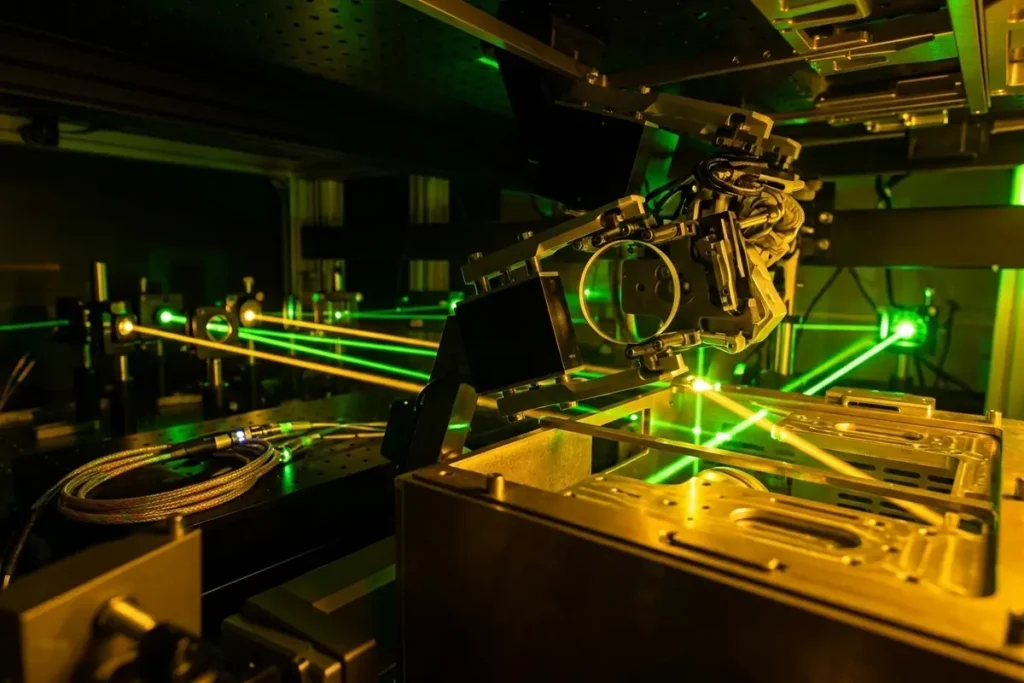
Step 6: Lens Inspection and Quality Control
Quality control is one of the most important stages in lens manufacturing. Every finished lens must be carefully inspected to ensure:- Prescription accuracy
- Surface quality
- Coating consistency
- Optical clarity
- Correct alignment

Step 7: Lens Edging and Frame Fitting
Once the lenses pass quality inspection, they are cut to match the selected eyeglass frame shape. This process is called edging. Computer-controlled edging machines precisely shape the lenses so they fit perfectly inside the frame. Proper lens mounting is critical for:- Accurate vision
- Comfort
- Frame stability
- Cosmetic appearance
What Are Freeform Lenses?
Freeform lenses represent one of the biggest advancements in modern optical technology. Unlike conventional lenses, freeform lenses are digitally surfaced point-by-point using highly advanced manufacturing equipment. Benefits of freeform technology include:- Wider clear vision zones
- Reduced peripheral distortion
- Better visual comfort
- More personalized lens performance
- Improved progressive lens adaptation
Inside Modern Optical Lens Factories
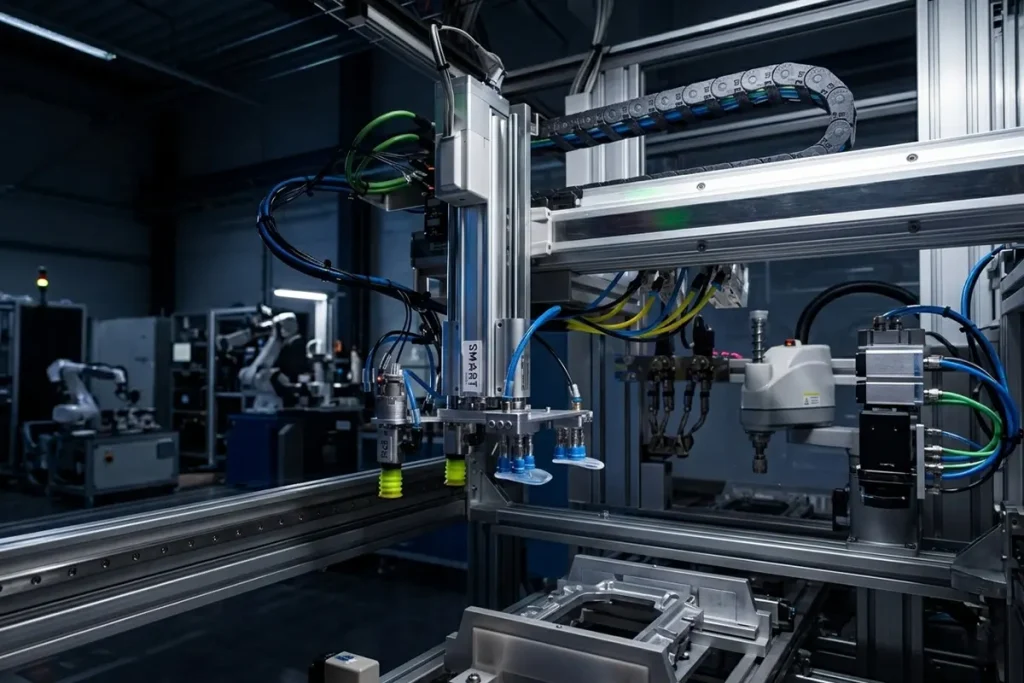
Modern optical lens factories combine automation, robotics, digital engineering, and precision optics. Today’s laboratories rely heavily on:- CNC manufacturing systems
- Automated inspection equipment
- Digital surfacing technology
- AI-assisted quality control
- Advanced coating systems

Why Lens Manufacturing Quality Matters
Not all prescription lenses are manufactured to the same standards. Higher-quality manufacturing processes can improve:- Visual sharpness
- Lens consistency
- Peripheral clarity
- Long-term durability
- Overall wearer comfort
Discover Schneider Lens Manufacturing Technologies
As modern vision demands continue to grow, precision manufacturing has become more important than ever in the optical industry. Schneider Optical Machines continues to support optical laboratories worldwide with advanced technologies for:- Digital freeform lens production
- Precision surfacing
- Automated polishing
- Smart coating solutions
- High-accuracy optical manufacturing
Final Thoughts
Understanding how prescription lenses are made gives consumers a better appreciation for the technology behind modern eyewear.
From digital lens calculations to freeform surfacing and precision coating systems, today’s optical lens production process is highly advanced and carefully controlled. Schneider lenses, backed by the expertise and innovation of Smart Optik, are part of this ongoing commitment to optical excellence.
Modern eyeglass lenses are no longer simple pieces of plastic or glass — they are precision optical devices engineered to improve visual clarity, comfort, and everyday life.